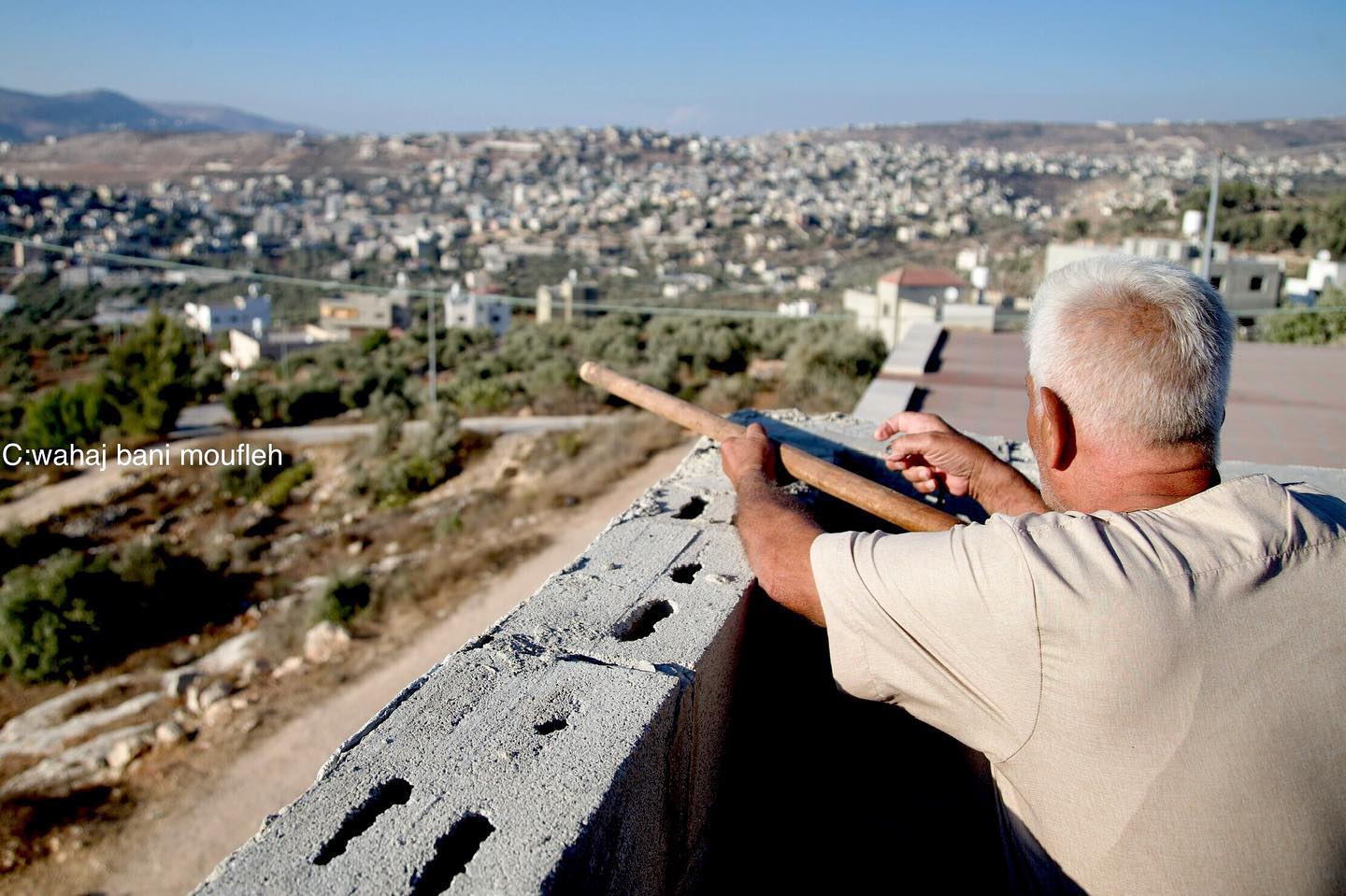
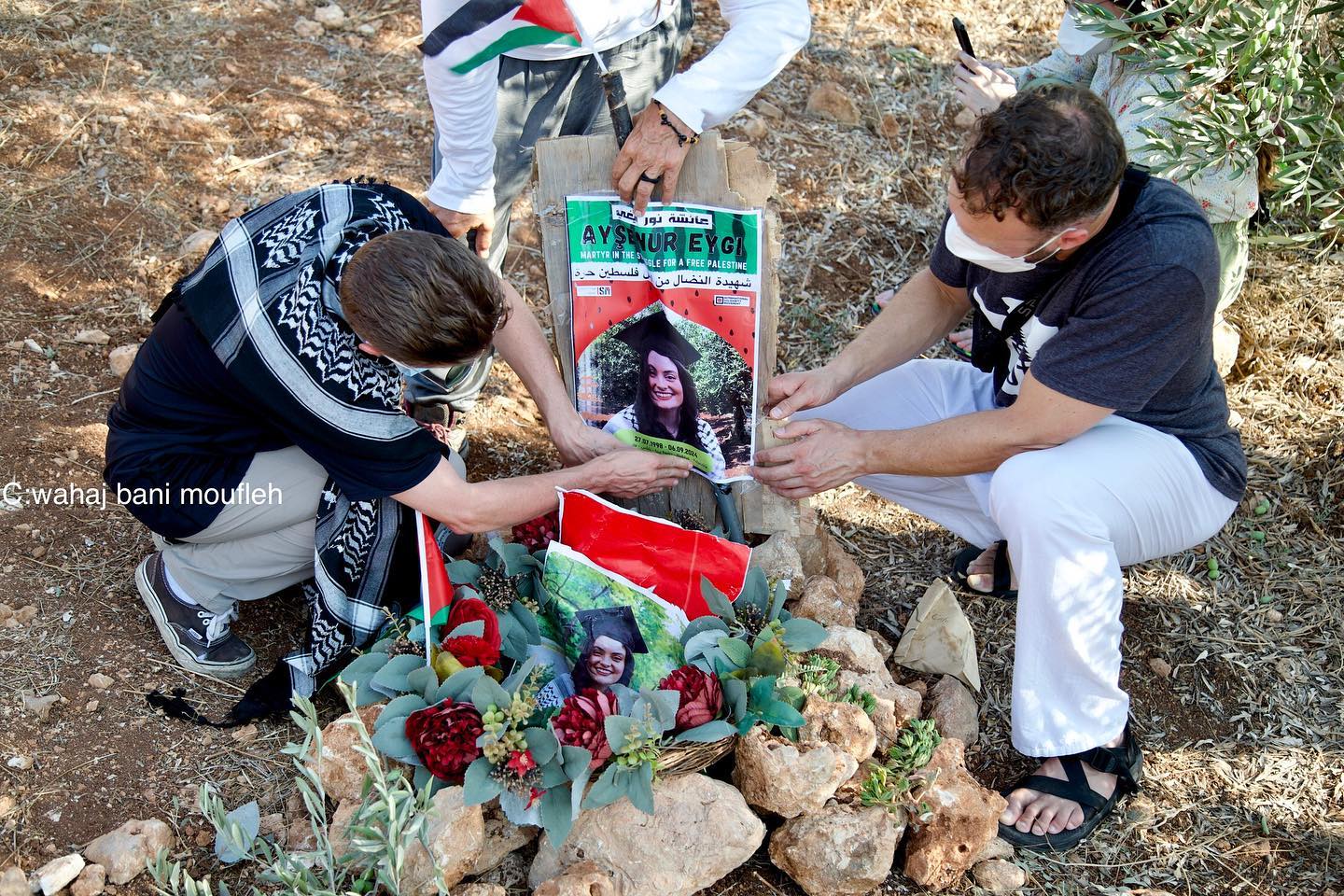
8:32 PM @wahaj_bani_moufleh Israeli Sniper Kills 26-Year-Old Turkish-American Activist Aysenur Ezgi with a Headshot During Peaceful Protests in Beita on September 6, 2024
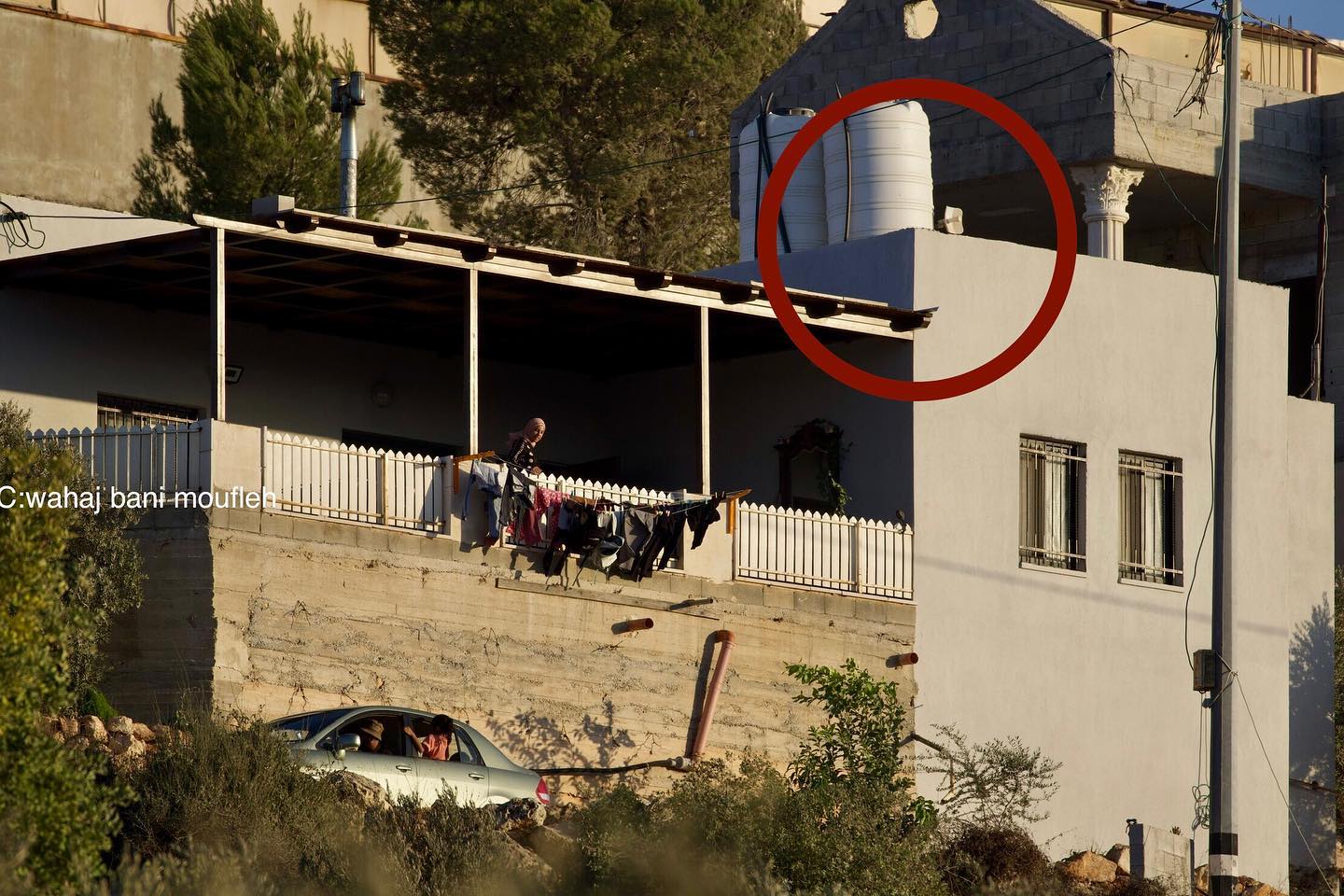
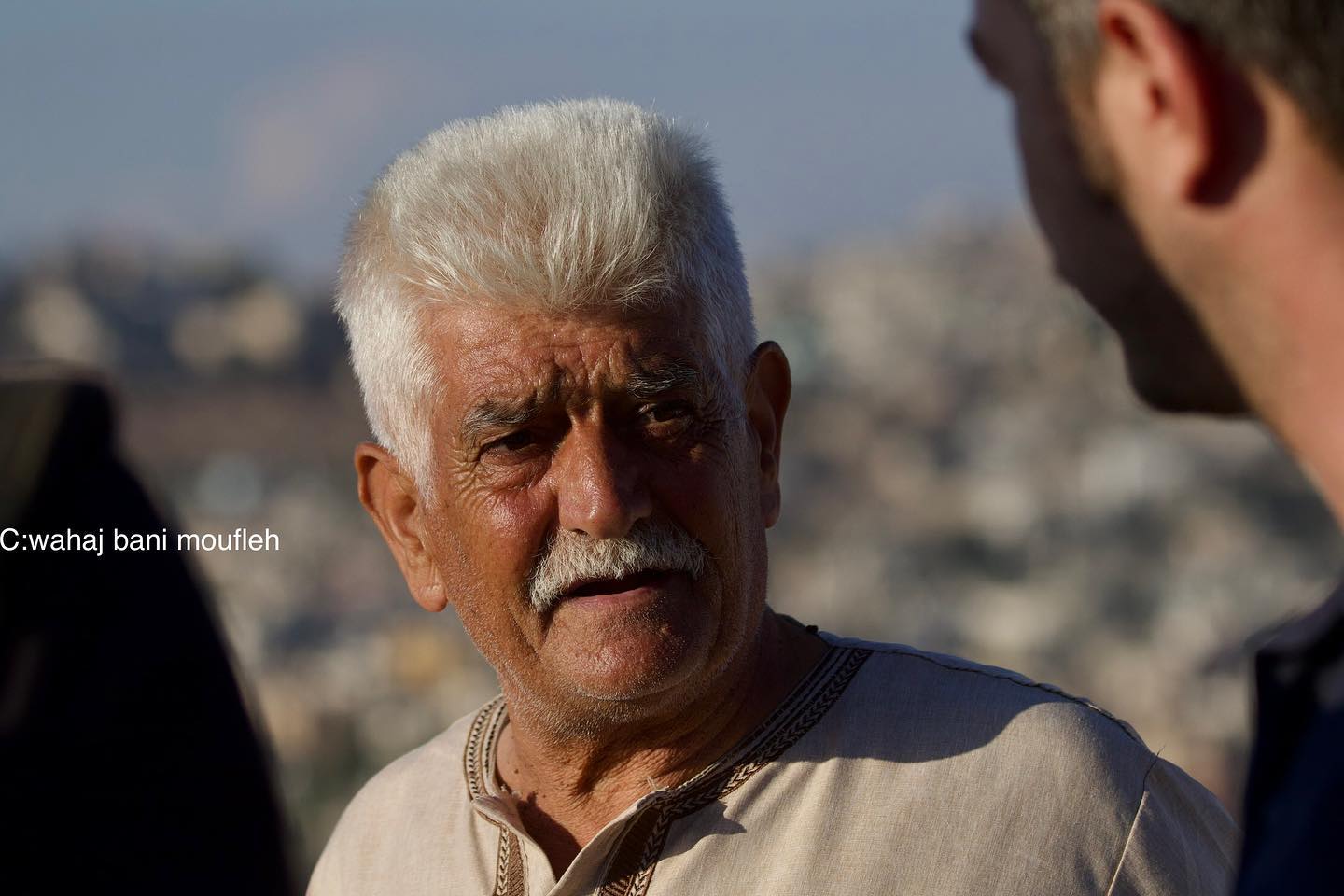
Muneer Mohammad Khudair recounts: “An Israeli sniper jumped for joy after he shot the Turkish-American solidarity activist Aysenur Ezgi Eygi, hitting her in the head during peaceful protests in the town of Beita on Mount Sbeih.” Aysenur was among a group of international solidarity activists who came to support the town’s residents in their resistance to the settlement on their land. This mountain, which has become a symbol of Palestinian popular resistance, witnessed the martyrdom of 12 Palestinians and Aysenur, the Turkish-American activist, while defending Mount Sbeih in ongoing confrontations with the occupation forces.
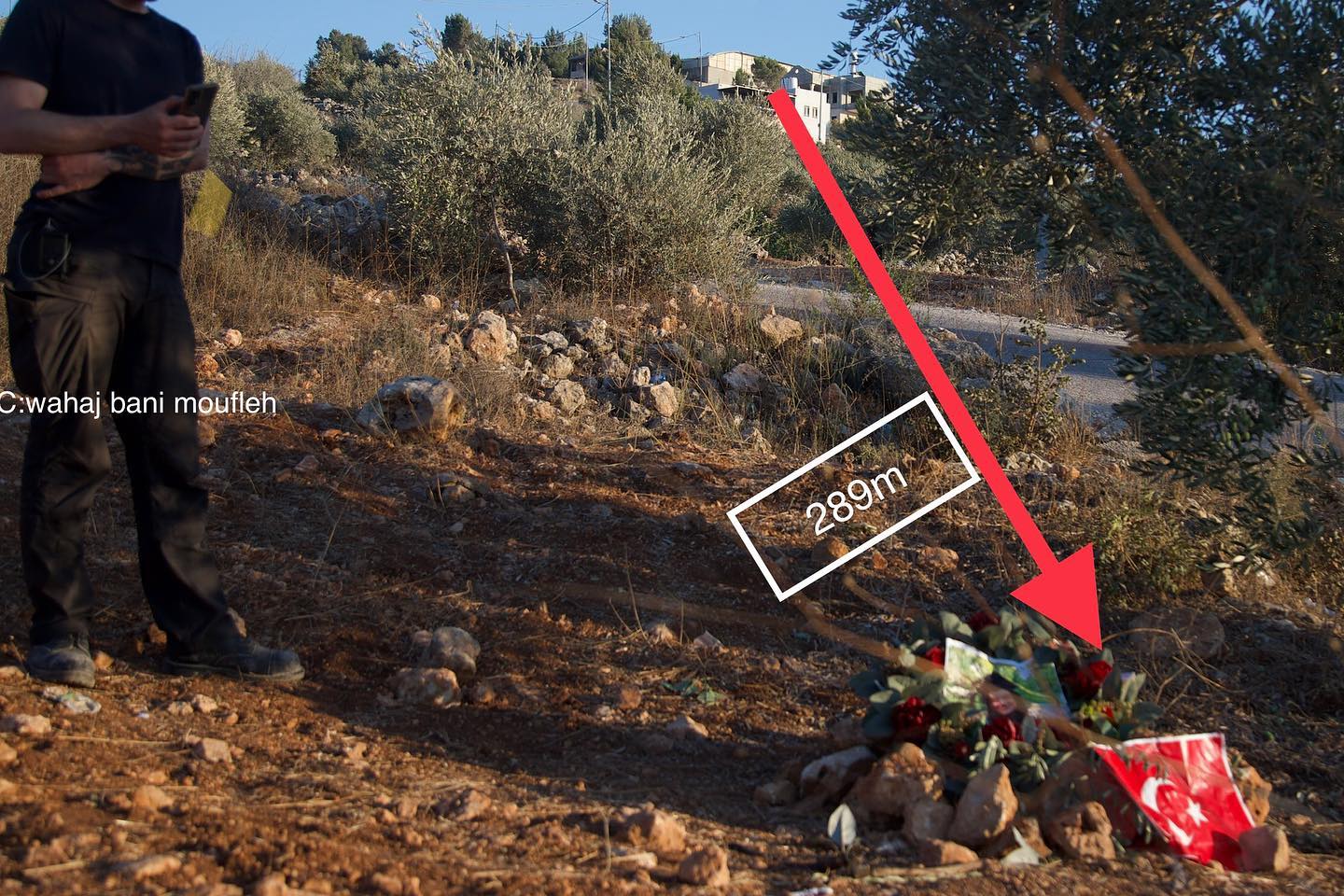
The events began when the residents of Beita and the solidarity activists gathered on Mount Sbeih to perform Friday prayers and protest the establishment of the “Avitar” settlement on their land. After the prayers, clashes erupted between the young men and the occupation soldiers stationed on the rooftops of surrounding houses. While Aysenur Eygi stood with a group of young men and activists about 300 meters from the clashes, the Israeli sniper focused on her, tracking her movements until he shot her in the head, instantly killing her.
This painful scene brought back memories of the martyrdom of Palestinian journalist Shireen Abu Akleh in Jenin, who was also killed by an Israeli sniper while covering an Israeli incursion, despite wearing a helmet and a press vest. As in Aysenur’s case, Israel attempted to justify its crime and shift the blame onto the Palestinians.
The incident sparked great anger among the town’s residents and the activists, especially after witnessing the Israeli sniper jumping for joy after hitting her. Nevertheless, the Israeli army tried to justify the incident by blaming the young Palestinians, even though they were completely unarmed.
Mount Sbeih, which Aysenur defended with her life, will remain a testament to the sacrifices of Beita’s sons and the solidarity activist who rose in its defense, and a symbol of the ongoing popular resistance against settlement and occupation.