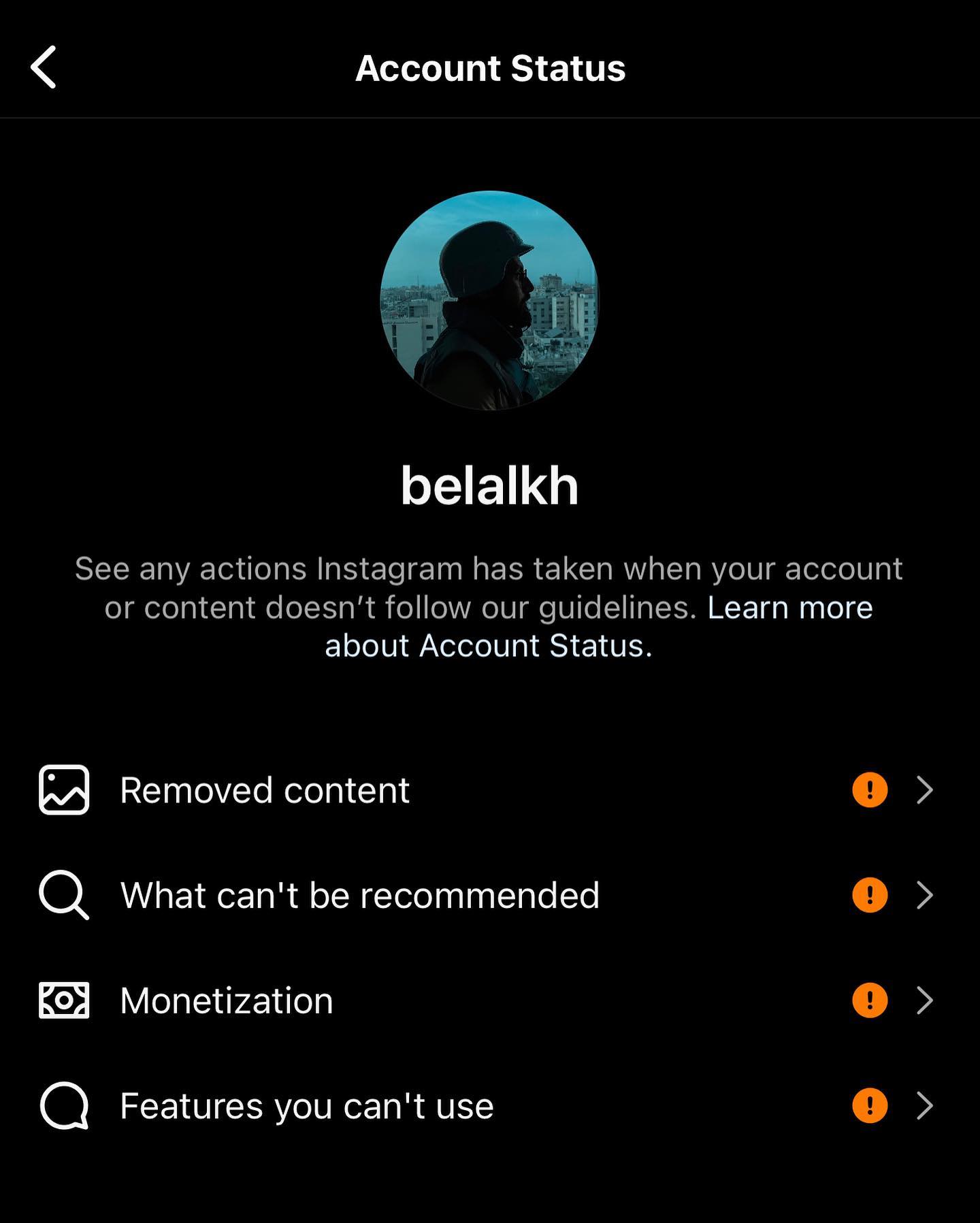
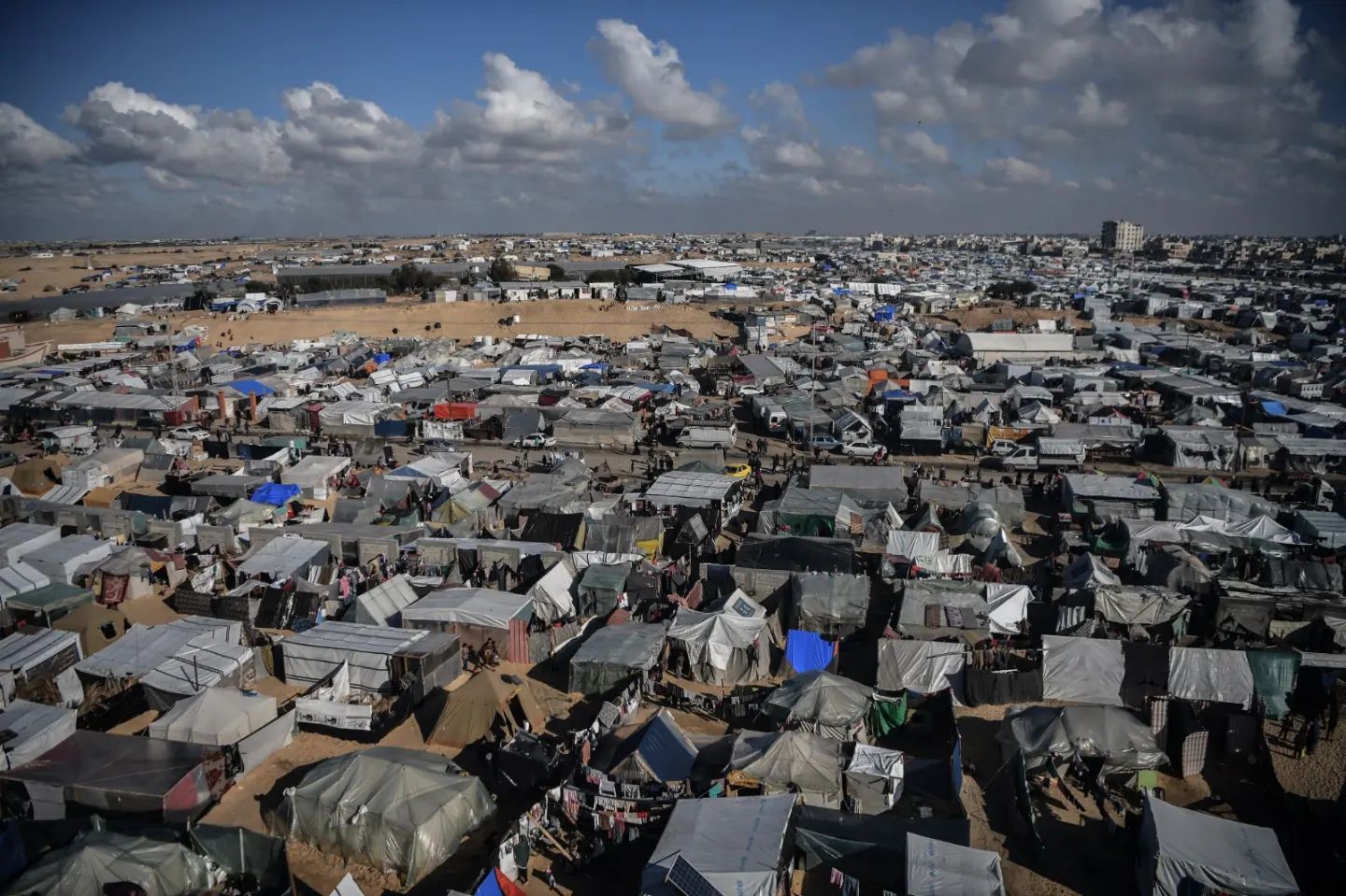
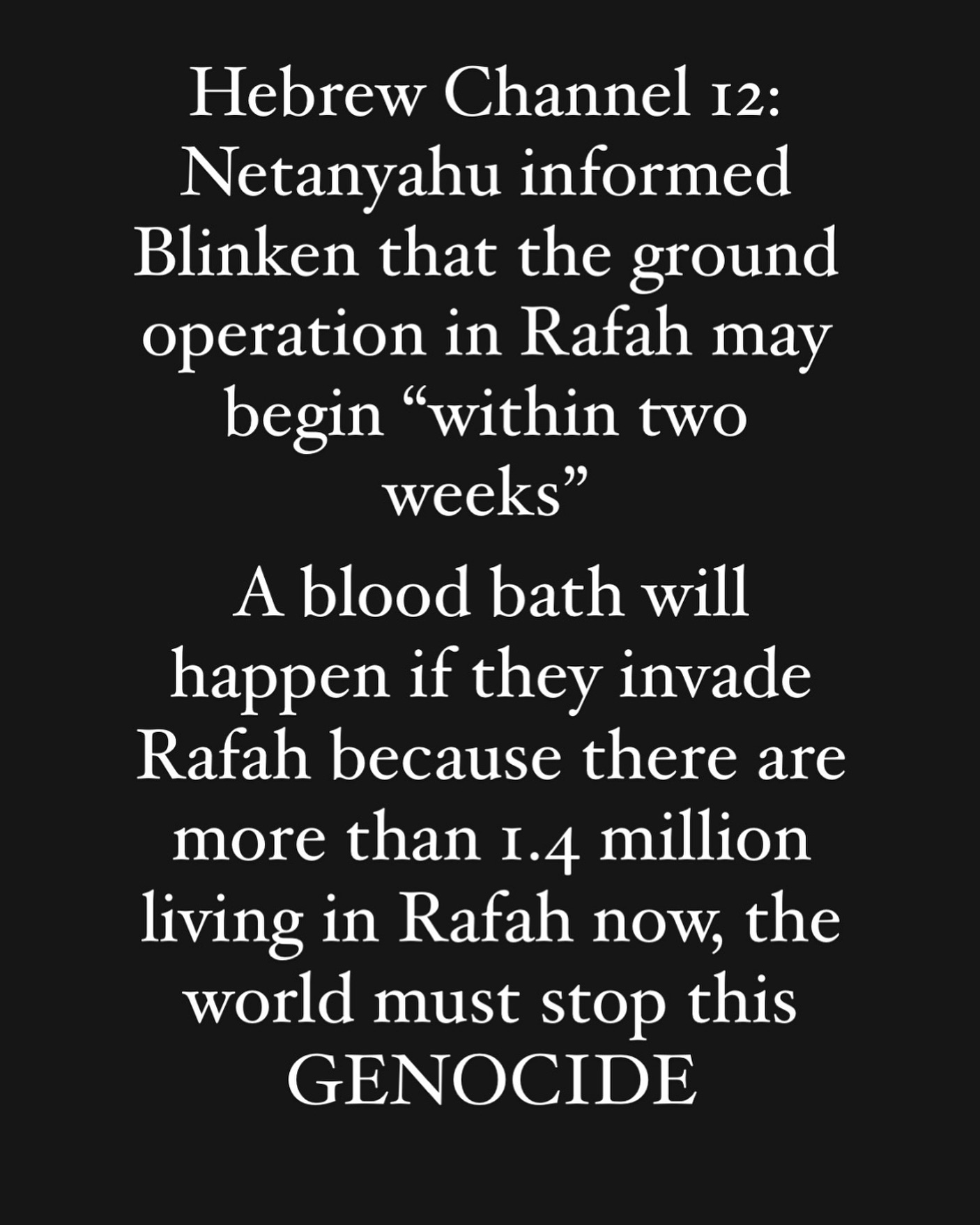
8:26 PM @belalkh 🚨My account is shadow-banned from Instagram.
My content does not reach the entire audience.
Only 6% can see my story, and my account is banned from appearing to non-followers, I am also banned from live for 120 days since the beginning of genocide.
All of this is because my posts violate Instagram policy which supports the Zionist entity and opens the way for them to promote their lies to the world, mislead public opinion, and obscure the truth.
I have received more than 10 reports of the account being closed, and despite that, I will not stop. I will continue to publish, and I will not stop exposing crimes and massacres against my people in Gaza.
Therefore, I hope that you share all the content that I publish widely in order for all this world to hear and see the crimes of the occupation, and if the world is blind, we will not stop and we will not be silent. 1:26 PM @samarabuelouf A bomb paralyzed a toddler.
At first, rescuers thought Melisya Joudeh was dead.
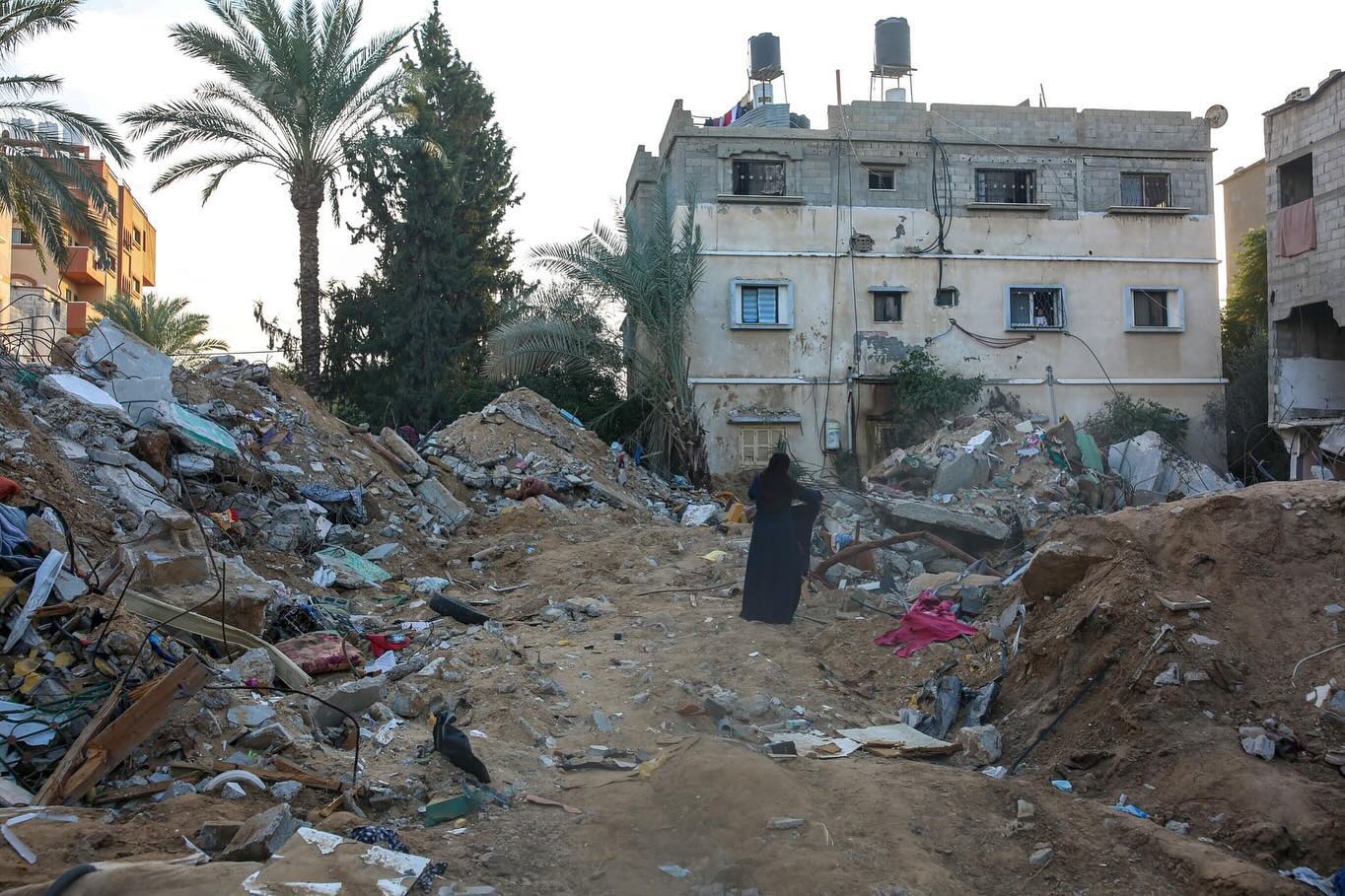
They pulled her inert body from the rubble of her family home, 10 hours after the building was crushed by a devastating strike on Oct. 22. At the hospital, she was put in a tent filled with corpses.
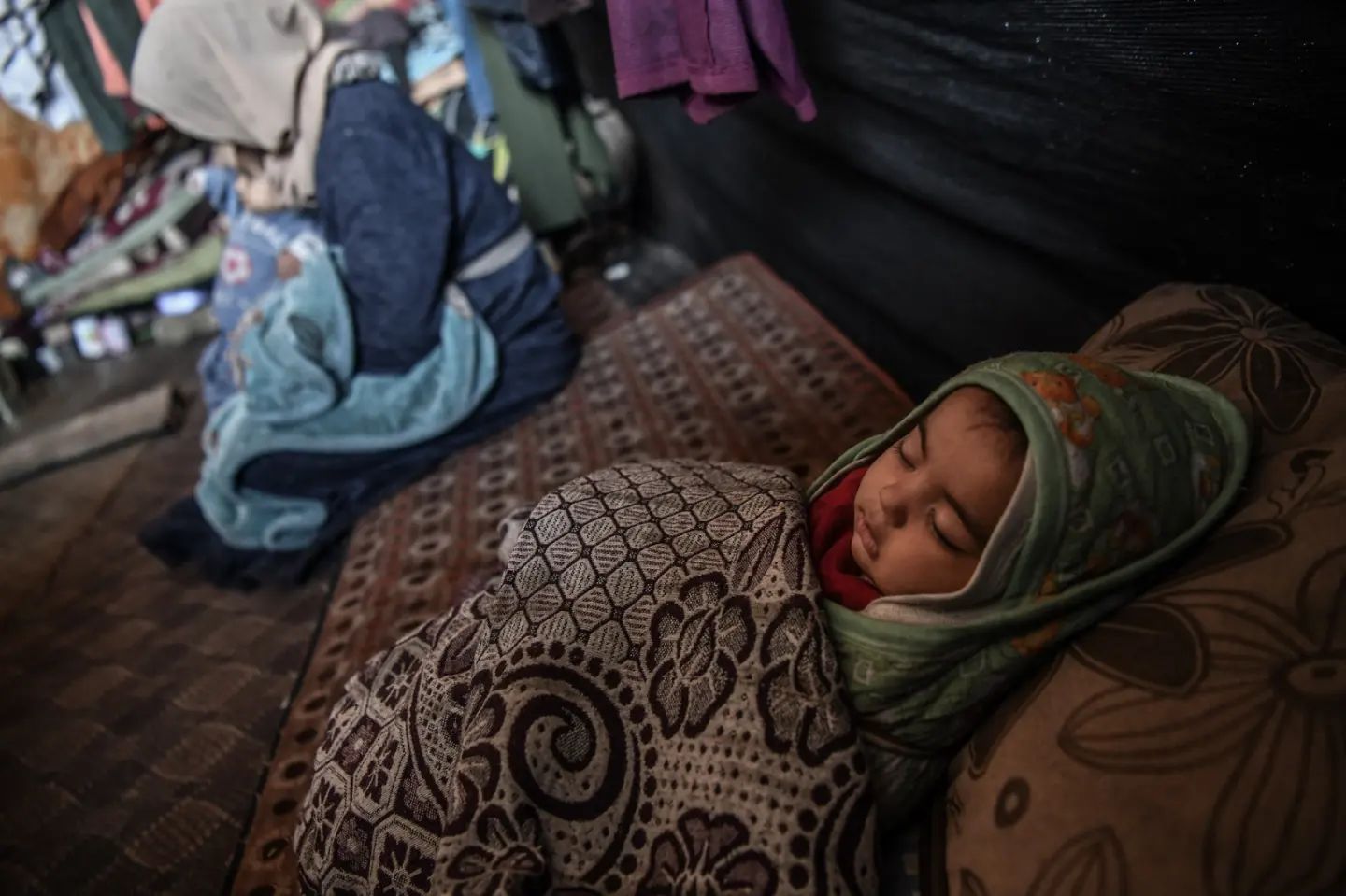
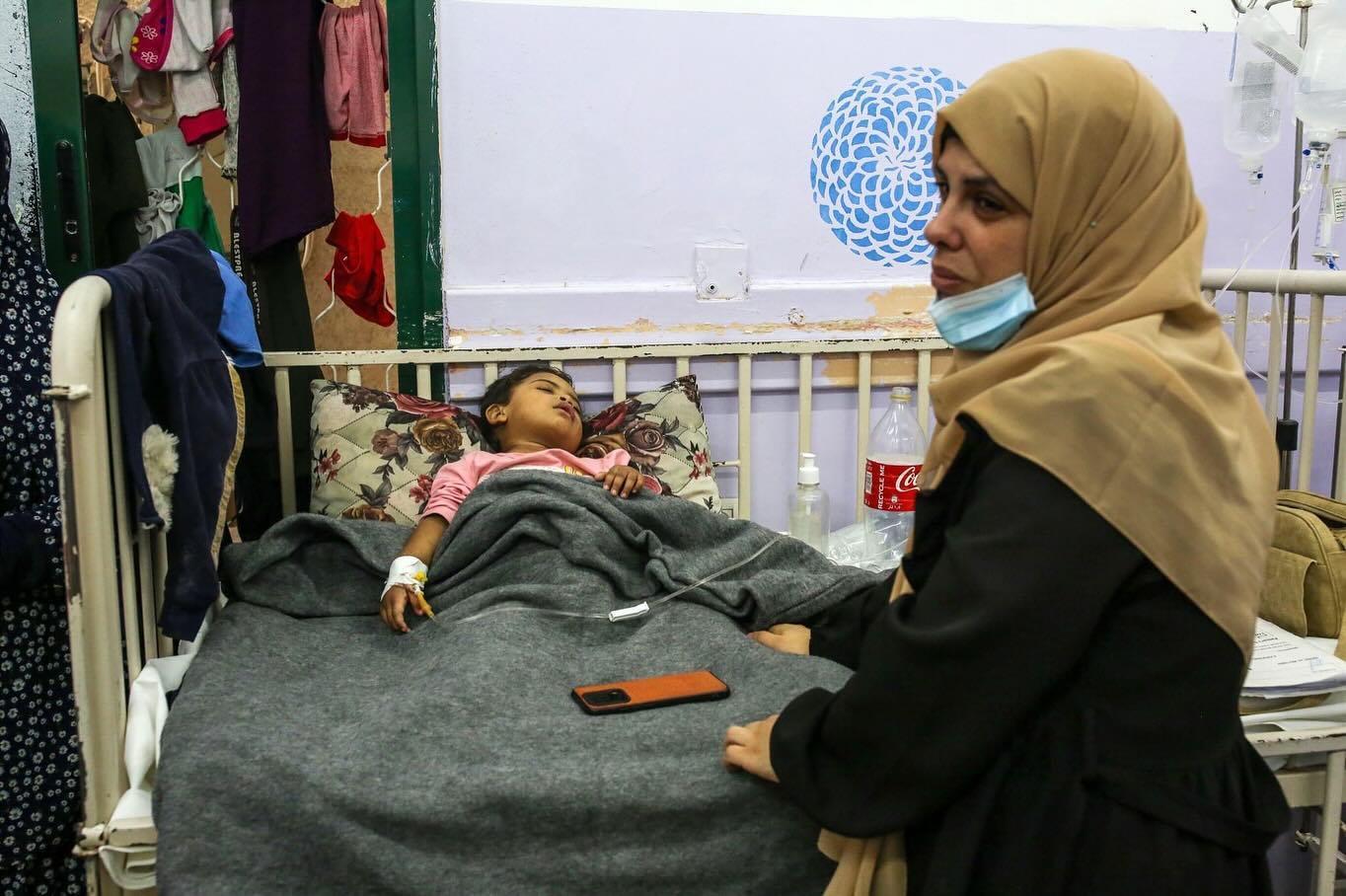
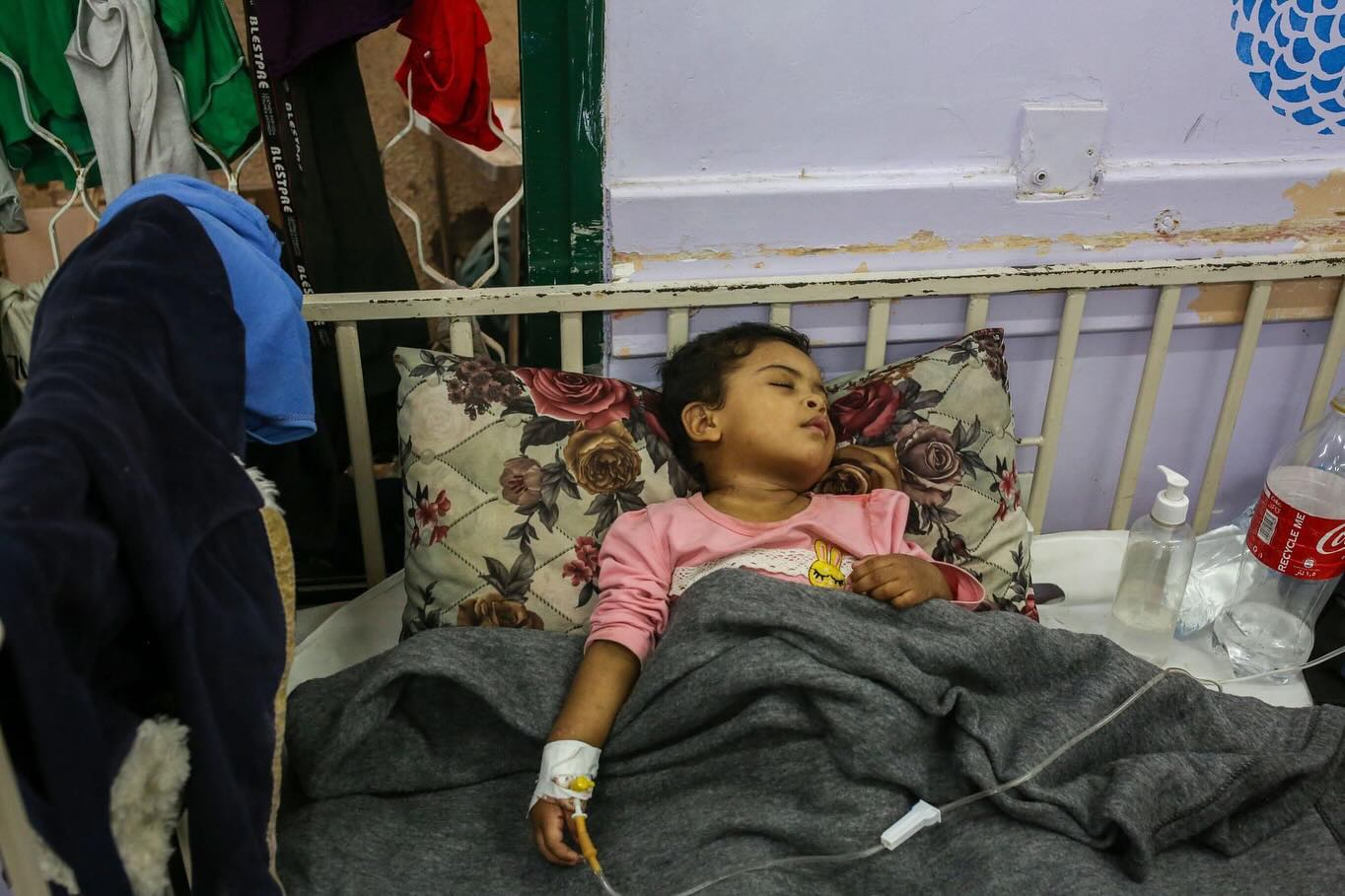
But an hour later, 16-month-old Melisya began to whimper and splutter. A clamor erupted and she was rushed into the hospital for emergency treatment, said Yasmine Joudeh, an exhausted aunt who was keeping a bedside vigil for the girl days later as she dozed in a pink bunny shirt.
She was one of just three survivors from what relatives and local journalists said was an Israeli airstrike.
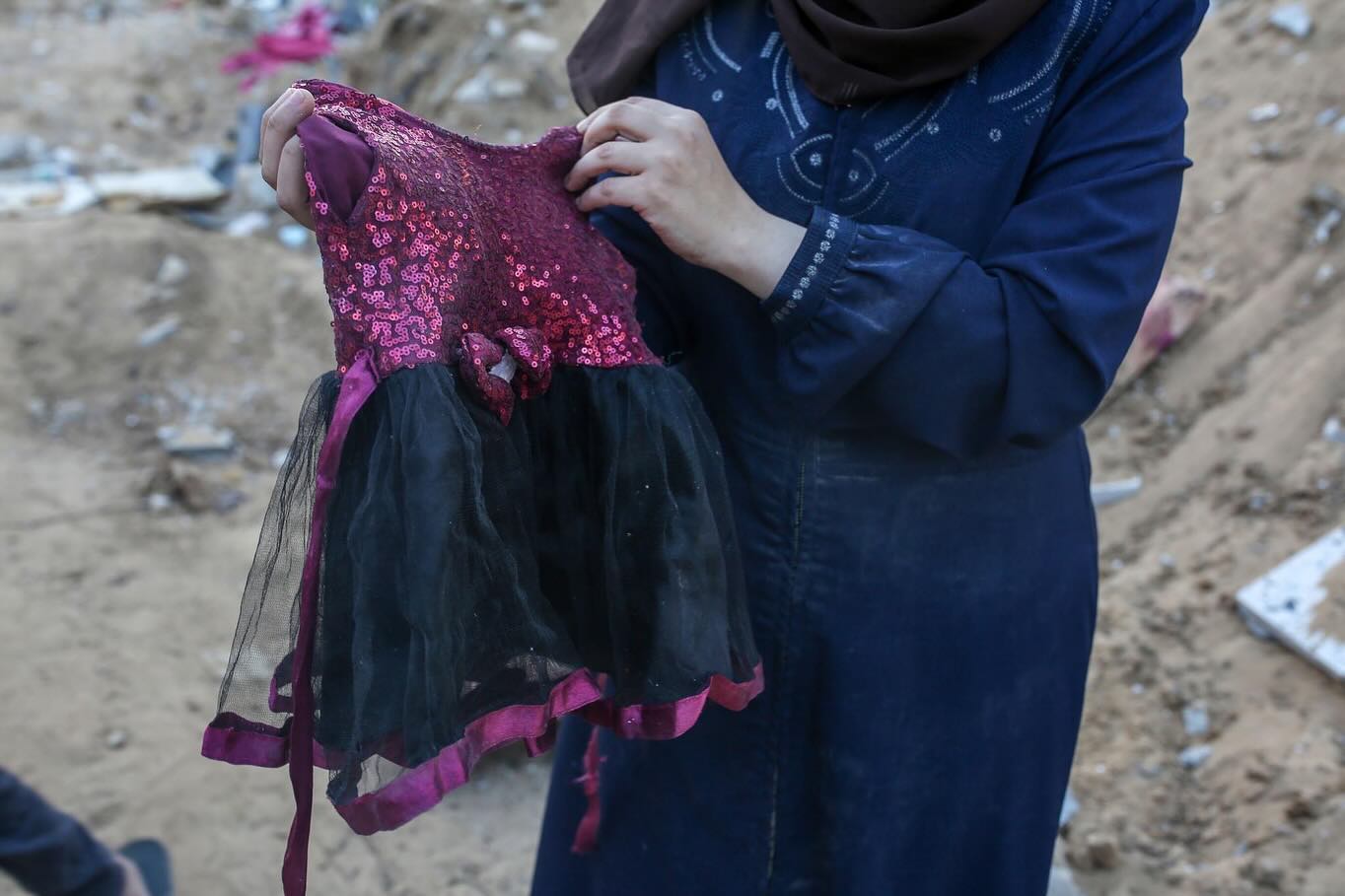
Her mother, expecting twins, had gone into labor hours before the strike on their house and was pulled dead from the ruins still clutching her belly, Yasmine said. Melisya’s father and brother were also killed, as were her grandparents, five uncles, two aunts, their spouses and dozens of cousins, she said, in all about 60 people from the Jarousha and Joudeh families who had lived in that housing compound for decades.
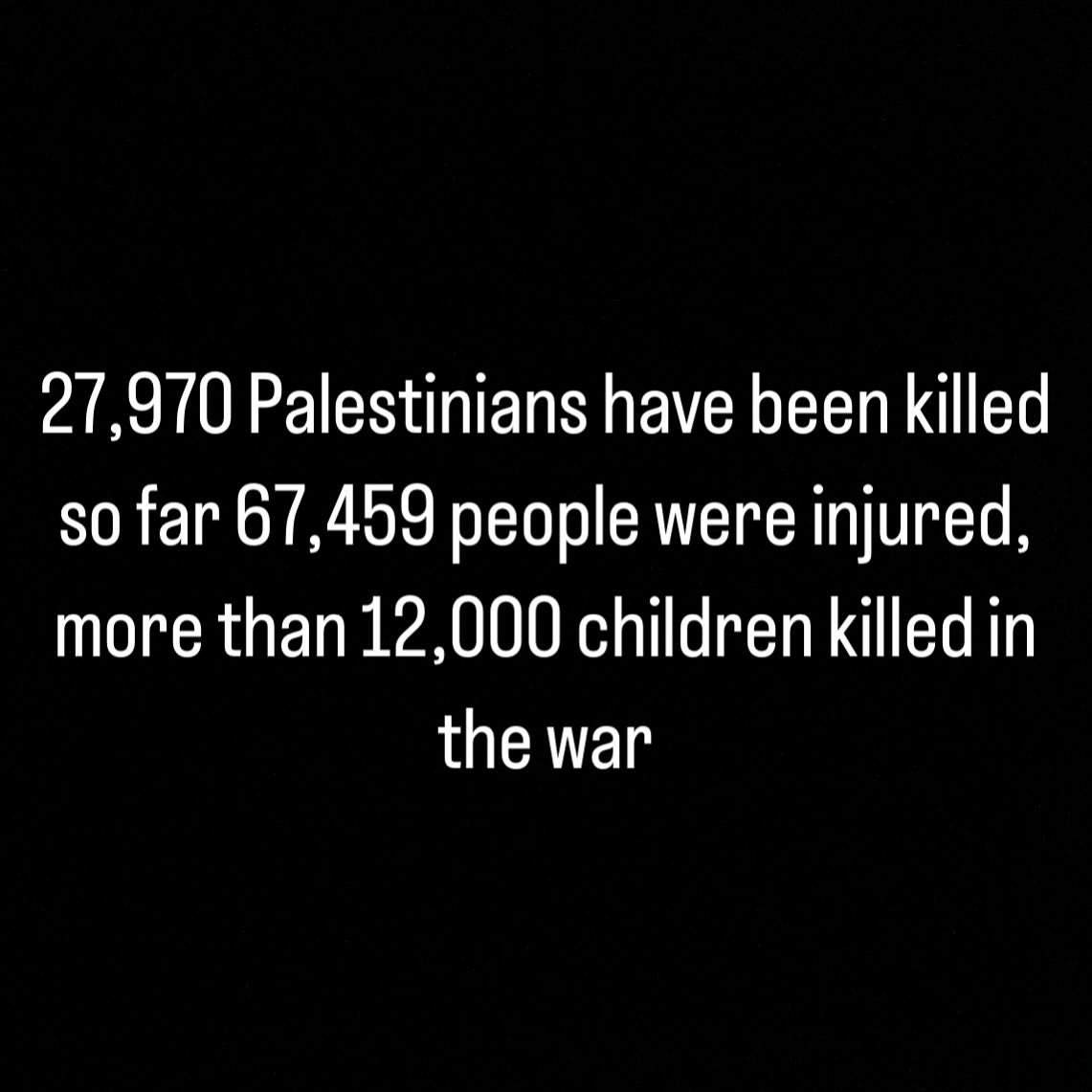
Children account for about 40 percent of those killed in Gaza since Oct. 7, according to the Gaza authorities and international organizations. Melisya cheated death but instead joined the 19,000 children that the war has left with no parents or with no adults to look after them, according to UNICEF.
And she will be scarred for life. Weeks earlier, Melisya had taken her first steps, her aunt said. They were probably her last.
Bomb fragments severed her spinal cord and paralyzed her from the waist down, doctors said. But a few weeks after she was wounded, Melisya was discharged. Doctors said they lacked medicine to treat her and needed her bed for newer casualties.
Yasmine took Melisya home. She considered the orphan a blessing from God, but caring for her was still difficult.
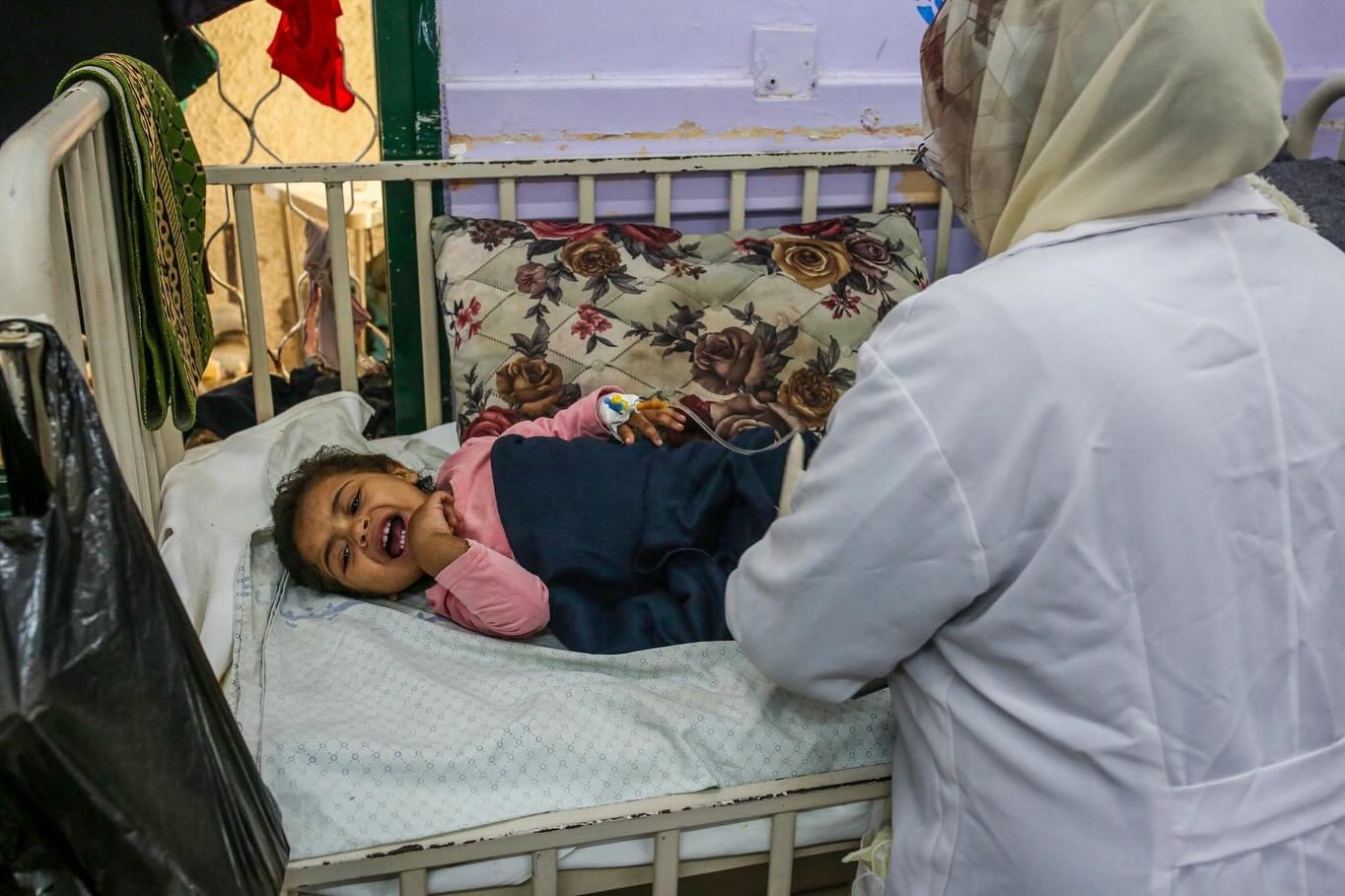
Melisya screamed when her wounds were being washed. And at night, she woke from her sleep crying out “Mama!” or “Baba!”
@samarabuelouf @nytimes